
Extensive clinical experience, short waiting times. Comprehensive ophthalmic subspecialties for critical and complex cases.
China leads the world in the volume of ophthalmic surgical cases. Its treatments are better adapted to the ocular characteristics of East Asian populations, with high medical accessibility and lower overall costs. China boasts a distinctive system for adolescent myopia prevention and control. Top-tier ophthalmic centers have reached international standards in cataract surgery, refractive surgery, complex vitreoretinal surgery and corneal transplantation, taking the lead in selected fields.
Quick Summary
China has consistently ranked first globally in the total number of cataract surgeries, and records the world’s highest annual volume of refractive procedures including SMILE. Many Chinese surgeons have accumulated far more surgical cases than their counterparts in Europe and the United States. Extensive real-world clinical experience has refined their surgical stability and expertise in managing complex ocular anatomy and intraoperative emergencies.
Key Facts
Medical Disclaimer
This content is for informational purposes only and is not medical advice. Patients should consult qualified healthcare professionals before using Traditional Chinese Medicine or any treatment for digestive symptoms.
Overview
According to WHO data, at least 2.2 billion people worldwide live with vision impairment, of whom more than 1 billion have preventable or treatable vision loss. Cataract, refractive error, glaucoma and diabetic retinopathy are the leading causes of blindness. Population aging, widespread digital lifestyles and rising chronic diseases continue to increase the burden of eye disorders. Severe imbalance in regional healthcare resources persists: many people in low-income regions lack access to basic optometry and surgery, while patients in developed nations face long waiting times for specialist appointments and prohibitive medical expenses.
China has built a unique nationwide system for adolescent myopia prevention and control, delivering full-cycle management including screening, monitoring and intervention. Supported by tiered medical networks, AI eye-screening technology and bulk procurement of medical consumables, China has greatly cut medical costs. Day surgery shortens waiting periods and improves access. Innovative domestic products such as intraocular lenses and bioengineered corneas continue to enter clinical use. Leading Chinese ophthalmic centers offer treatment pathways for international patients, delivering integrated services including online assessment, preoperative examinations, surgery and postoperative rehabilitation, providing cost-effective medical options for eye disease patients globally.
Medical Achievements
It achieved, for the first time in clinical practice, functional lens regeneration in humans (Nature, 2016), resolving the global challenge of lens deficiency after congenital cataract surgery. This breakthrough was recognized as one of the “Top 8 Global Medical Breakthroughs”.
It developed the world’s first digital mask (Nature Medicine, 2022), and created the world’s first intelligent visual function screening system for infants (Nature Medicine, 2023).
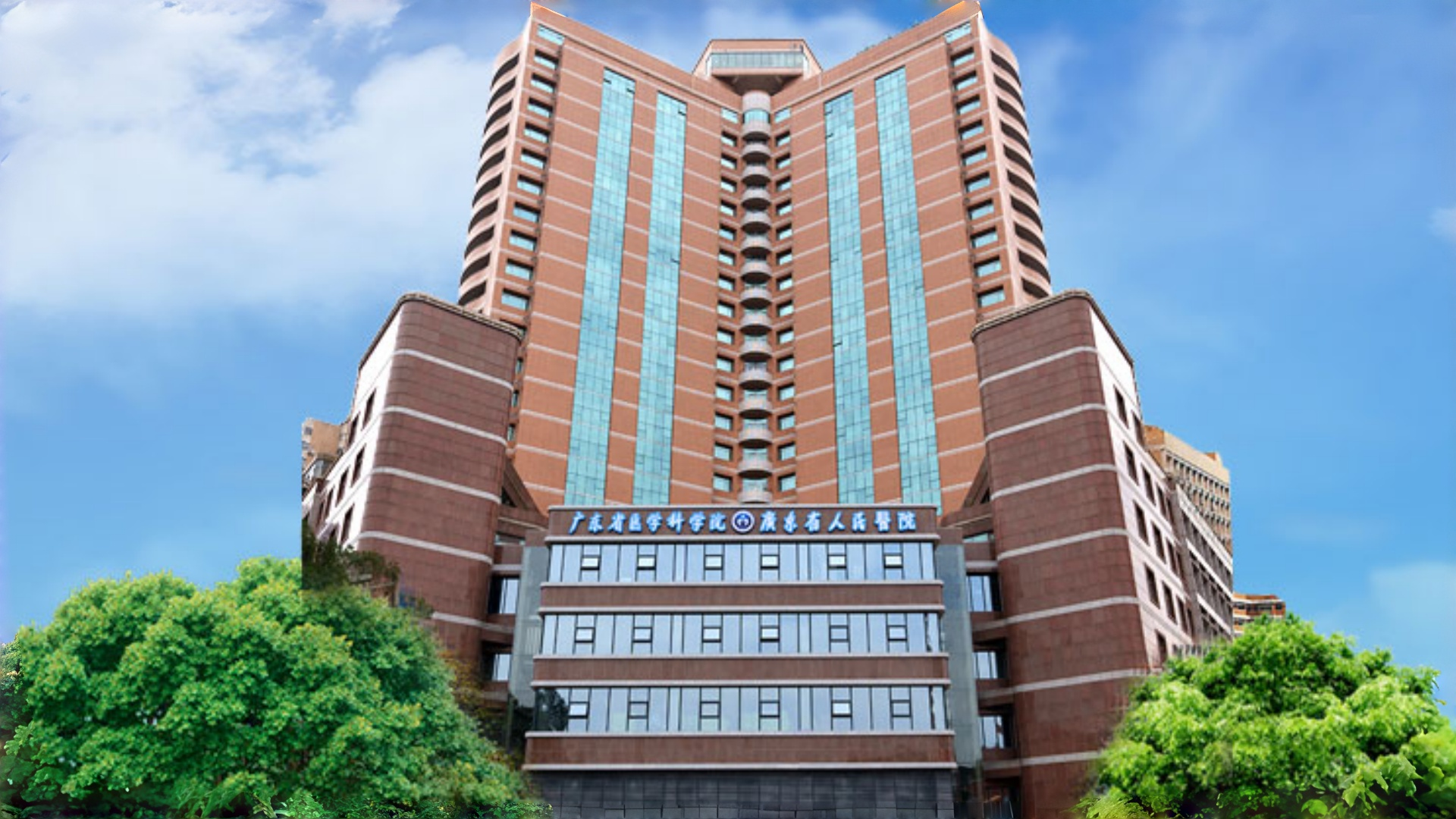
Pre-treatment Preparation for Ophthalmology
Preparation includes document submission, preoperative examinations, physical and lifestyle arrangements.
1. Medical records: previous eye reports, fundus photos, OCT, refraction results, CT/MRI images and prior surgical notes. Bring medical records and medication lists if you have systemic conditions such as hypertension or diabetes.
2. Ophthalmic tests: visual acuity, refraction, intraocular pressure, corneal thickness, corneal topography and comprehensive fundus exams. Additional tests including OCT, visual field or fundus angiography may be required.
3. General health screening: blood pressure, blood glucose, blood routine, coagulation, liver and kidney function. ECG is required for elderly or complex patients.
4. Medication & history disclosure: inform clinicians of drug allergies, ongoing medicines (anticoagulants may need discontinuation as instructed), autoimmune diseases and prior glaucoma history.
5. Lifestyle preparation: stop wearing contact lenses (1 week for soft lenses, 2–4 weeks for rigid lenses / OK lenses). Stabilize blood pressure and glucose. Avoid eye makeup before surgery to reduce infection risk and arrange an accompanying person.
6. Miscellaneous: reserve enough time for consultation; arrange visa and accommodation in advance. Prepare insurance documents if covered by international commercial insurance.
Cross-border Healthcare Insights
A growing number of international patients choose China for medical care and rehabilitation, driven by three core strengths: reliable clinical expertise, streamlined service, and outstanding cost performance.
China’s top tertiary hospitals have accumulated massive real-world clinical experience across ophthalmology, oncology, minimally invasive surgery and cell therapy. Many specialized treatments have reached or surpassed international standards. Unlike long waiting lists in Europe and America, patients in China can complete consultations, imaging examinations and surgery arrangements rapidly, greatly shortening the overall treatment and rehabilitation cycle.
Thanks to national drug negotiation and volume-based procurement, treatment costs are significantly lower than those in Western nations while maintaining high clinical quality. China also offers unique rehabilitation options combining modern medicine and traditional Chinese therapies such as acupuncture and tuina. International patient service teams provide integrated support including online assessment, in-hospital treatment and long-term follow-up rehabilitation. With balanced quality, speed and affordability, China has become a favoured destination for global patients seeking medical and rehabilitative services.
Frequently Asked Questions
What symptoms were described in this patient experience?
The patient described long-term digestive discomfort, difficulty gaining weight, and diarrhea after meals.
What services were included in the TCM visit?
The visit included outpatient consultation, herbal medicine prescription, hospital decoction service, and home delivery of prepared herbal medicine.
How much did the visit cost?
The article mentioned around RMB 80 for consultation, herbal medicine, and decoction service, while one receipt showed RMB 95.14 for related outpatient charges. Actual costs can vary.
Does this article provide medical advice?
No. This article is an informational patient experience and should not be used as medical advice, diagnosis, or treatment recommendation.
Need help understanding your options?
SinovitaLink helps patients prepare medical information, understand care pathways, and navigate cross-border healthcare options.