
Activate the body’s own immunity, safeguard long-term survival.
Immunotherapy in Chinese mainland offers outstanding cost performance, greatly reducing the financial burden of treatment. It boasts abundant clinical experience and an efficient medical consultation process. Immunotherapy activates the body’s own immune system to fight tumors. Unlike conventional chemo- and radiotherapy, it comes with relatively mild side effects and may provide long-term immune protection. At this stage, immunotherapy is only available for the following disease types. If you have other needs, please contact us to confirm the medical feasibility for your condition.
Quick Summary
Immunotherapy is an emerging field in oncology treatment in China’s mainland. We fully comply with relevant laws and regulations of Chinese mainland. All immunotherapy options we recommend are objectively introduced based on historical treatment statistics. The relevant medical procedures are only carried out in designated regions and qualified medical institutions authorized under national laws, including accredited hospitals in the Boao Lecheng International Medical Tourism Pilot Zone of Hainan and the Beidaihe Life Science and Health Industry Innovation Demonstration Zone in Qinhuangdao.
Key Facts
Medical Disclaimer
This content is for informational purposes only and is not medical advice. Patients should consult qualified healthcare professionals before using Traditional Chinese Medicine or any treatment for digestive symptoms.
Overview
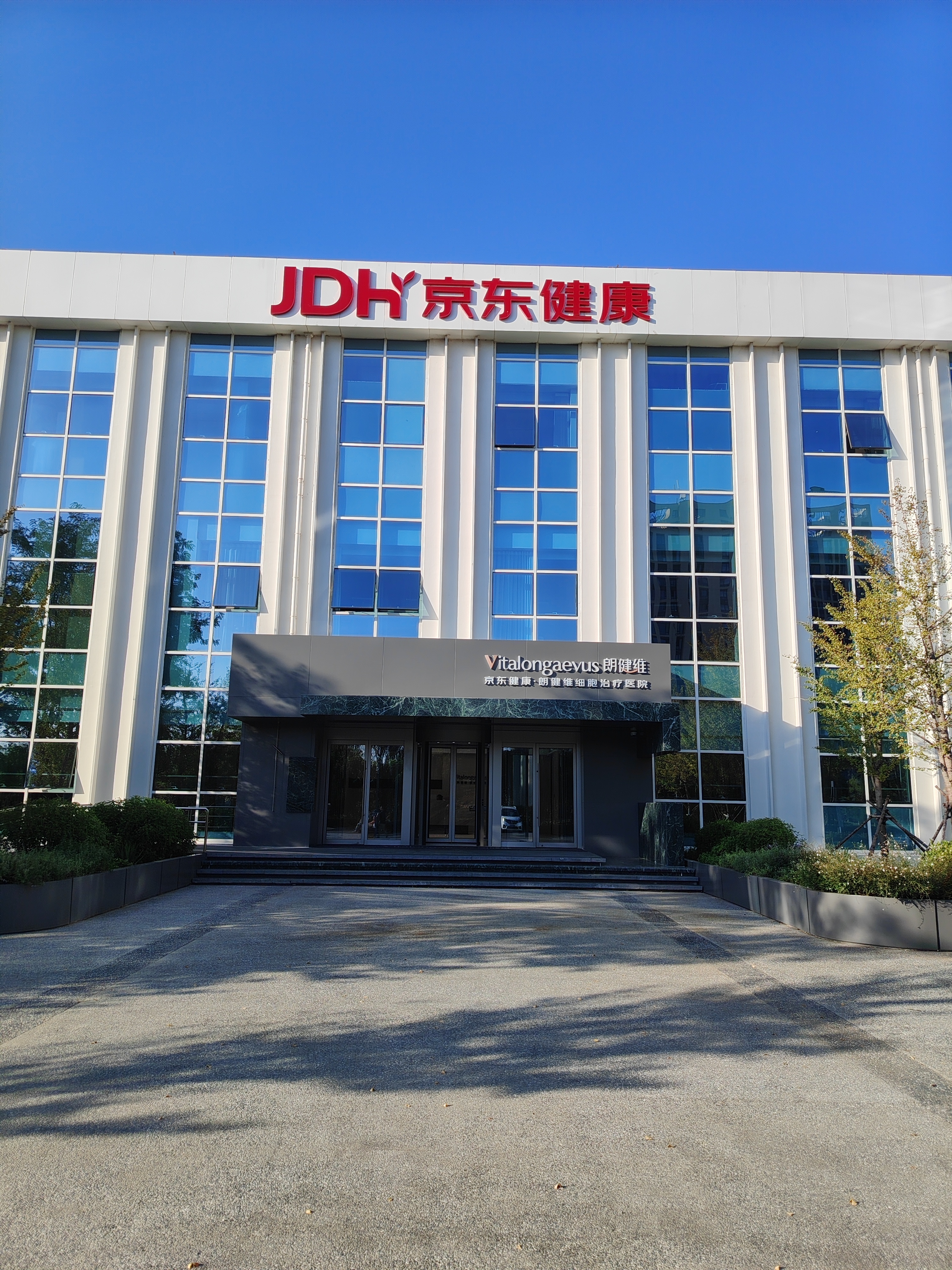
Livecell Biotechnology is a national high-tech enterprise focusing on the research, translation and application of stem cell, immune cell and extracellular vesicle technologies. It holds more than 60 independent intellectual property rights covering key segments of the cell industry chain. Lailisai Biotechnology collaborates with well-known domestic and foreign research institutes on industry standard formulation, clinical research and core industrialization technologies. It is a cooperative partner of the Healthcare Office of Shenzhen Municipal Government. The company has achieved remarkable results for multiple patients in fields including human adipose mesenchymal stem cell therapy for osteoarthritis, human umbilical cord mesenchymal stem cell therapy for type 2 diabetes and moderate-to-severe systemic lupus erythematosus, as well as CAR-T cell therapy for large B-cell lymphoma.
Immunotherapy in China: Current Status
China has emerged as a global leader in cancer immunotherapy, boasting a complete industrial and clinical treatment system. To date, China has approved numerous immune checkpoint inhibitors covering most common malignant tumors, including lung, liver, gastric and cervical cancers, with domestic innovative drugs continuously enriching treatment regimens. Chinese researchers have advanced from follow-up research to original innovation, developing cutting-edge therapies such as bispecific antibodies and optimized CAR-T cell treatment protocols with improved efficacy and safety.
Benefiting from national drug negotiation and volume-based procurement policies, domestic immunotherapy costs have dropped significantly, forming a prominent cost-performance advantage over European and American medical systems while maintaining international-standard clinical outcomes. Chinese oncology centers accumulate massive real-world clinical cases annually, enabling mature standardized treatment and precise adverse reaction management. Currently, Chinese self-developed immunotherapies have gained international recognition and overseas clinical approval. With integrated high-quality, affordable and accessible treatment services, China has become a preferred destination for global cancer immunotherapy.
Pre-treatment Assessment
The pre-treatment workup for immunotherapy covers tumour biomarkers, organ function tests and infection screening.
Tumour-related markers include PD-L1 expression, TMB, MSI/MMR status, pathological biopsy and baseline imaging such as contrast-enhanced CT or PET-CT to assess tumour burden.
Systemic tests contain blood routine, liver and kidney function, thyroid function, electrocardiogram and cardiac markers. Pulmonary imaging and autoantibody screening are used to identify underlying interstitial lung disease and autoimmune conditions.
Infection screening includes HBV, HCV, HIV and tuberculosis. Clinicians also evaluate the patient’s ECOG performance status, medical and allergy history.
All these indicators help doctors judge eligibility, predict treatment response and reduce the risk of immune-related adverse events.
Comparative Analysis of Full-Cycle Costs for Immunotherapy
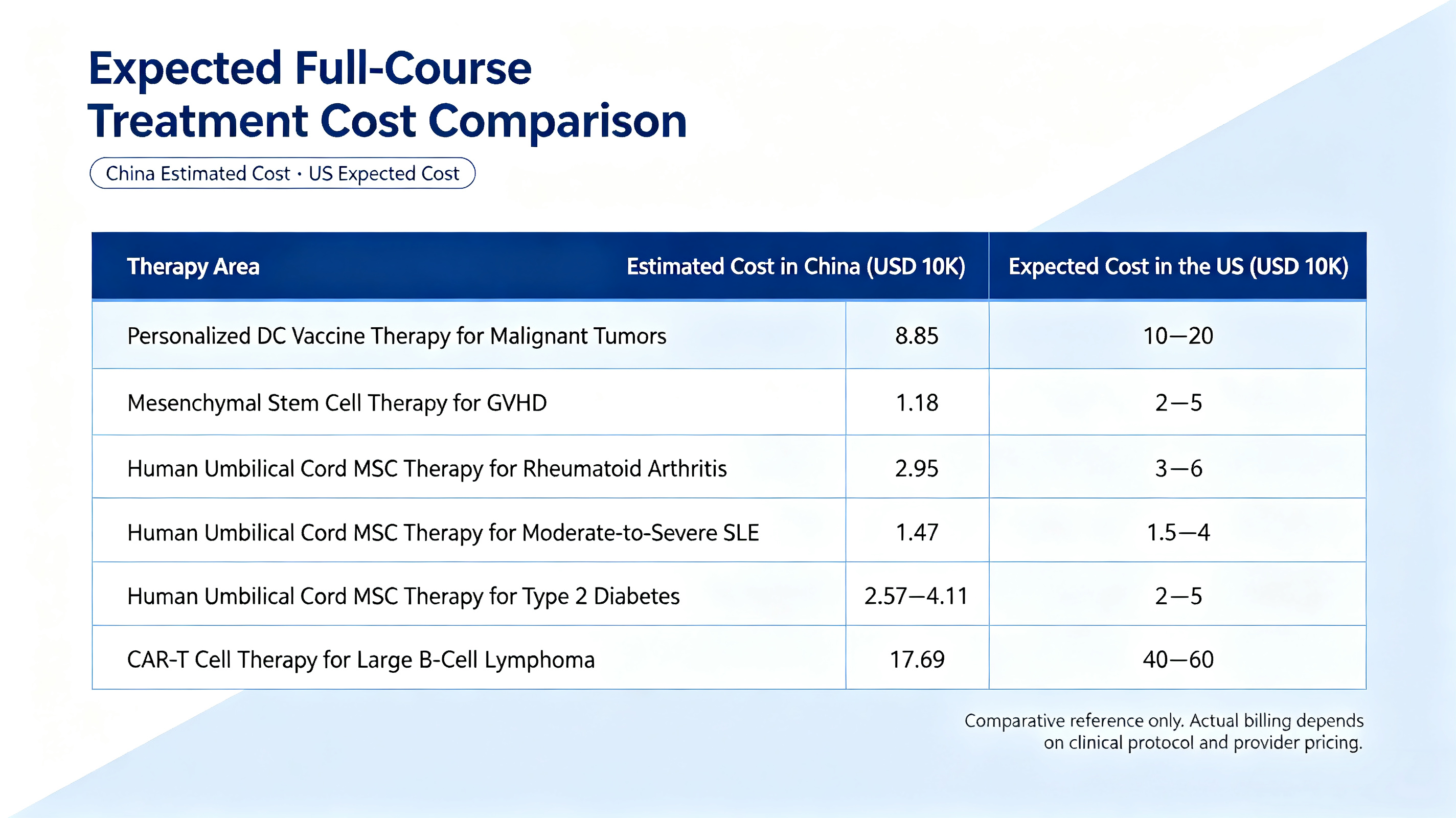
China presents notable cost advantages over Europe and the United States regarding full-cycle immunotherapy. Driven by domestic R&D of PD-1 and other immune drugs together with national drug negotiation and volume-based procurement, the unit price of immunotherapies in China has dropped substantially. The full-course medication cost is only 1/4 to 1/10 of equivalent regimens in Europe and America. In addition, expenses for medical manpower, hospitalization and diagnostic tests are lower domestically, avoiding extra time and indirect costs caused by long waiting times in Western healthcare systems.
Leading Chinese cancer centers have accumulated massive clinical experience with immunotherapy, maintaining efficacy and safety aligned with international standards. Despite reduced drug prices, robust systems are in place for diagnosis, genetic testing and adverse event management. Combining medication, lab tests, hospitalization and follow-up visits, the overall full-cycle cost of immunotherapy is far below that in the US and Europe, offering cost-effective treatment options for international patients.
Cross-border Healthcare Insights
A growing number of international patients choose China for medical care and rehabilitation, driven by three core strengths: reliable clinical expertise, streamlined service, and outstanding cost performance.
China’s top tertiary hospitals have accumulated massive real-world clinical experience across ophthalmology, oncology, minimally invasive surgery and cell therapy. Many specialized treatments have reached or surpassed international standards. Unlike long waiting lists in Europe and America, patients in China can complete consultations, imaging examinations and surgery arrangements rapidly, greatly shortening the overall treatment and rehabilitation cycle.
Thanks to national drug negotiation and volume-based procurement, treatment costs are significantly lower than those in Western nations while maintaining high clinical quality. China also offers unique rehabilitation options combining modern medicine and traditional Chinese therapies such as acupuncture and tuina. International patient service teams provide integrated support including online assessment, in-hospital treatment and long-term follow-up rehabilitation. With balanced quality, speed and affordability, China has become a favoured destination for global patients seeking medical and rehabilitative services.
Frequently Asked Questions
What symptoms were described in this patient experience?
The patient described long-term digestive discomfort, difficulty gaining weight, and diarrhea after meals.
What services were included in the TCM visit?
The visit included outpatient consultation, herbal medicine prescription, hospital decoction service, and home delivery of prepared herbal medicine.
How much did the visit cost?
The article mentioned around RMB 80 for consultation, herbal medicine, and decoction service, while one receipt showed RMB 95.14 for related outpatient charges. Actual costs can vary.
Does this article provide medical advice?
No. This article is an informational patient experience and should not be used as medical advice, diagnosis, or treatment recommendation.
Need help understanding your options?
SinovitaLink helps patients prepare medical information, understand care pathways, and navigate cross-border healthcare options.