
World-class oncology treatment in China, same premium quality yet far more affordable than European & US treatments for your recovery.
The global cancer burden continues to escalate. In 2023, there were over 18 million new cancer cases and more than 10 million cancer-related deaths worldwide, with nearly 60% of cases and over 60% of deaths occurring in low- and middle-income countries. Lung cancer remains the leading cause of cancer death, followed by colorectal cancer. Projections indicate that by 2050, annual cases could exceed 30 million and deaths could surpass 18 million—a 60% and 75% increase respectively compared to 2024. Yet access to care remains profoundly unequal. While 90% of people in high-income countries have access to comprehensive cancer care, 75% of patients in resource-challenged countries lack access to any diagnosis or treatment. In lower-middle and low-income countries, 40% of essential chemotherapy agents are available only at full cost to patients, placing effective treatment beyond reach for millions. Even in high-income settings, the financial toxicity of novel therapies—CAR-T infusions in the United States cost between US$300,000 and US$475,000—limits access for all but the most affluent.
Quick Summary
Guangdong Province exemplifies this integrated approach through two distinctive strengths: innovative chemotherapy delivery and TCM-based cancer pain management.
Key Facts
Medical Disclaimer
This content is for informational purposes only and is not medical advice. Patients should consult qualified healthcare professionals before using Traditional Chinese Medicine or any treatment for digestive symptoms.
Overview
In cancer pain management, Guangdong has established a nationally recognized center of excellence. The Guangdong Provincial Hospital of Chinese Medicine was awarded the 2025 Huaxia Medical Science and Technology Award for its “acupuncture-medicine integration” system for managing tumor-related symptoms and improving quality of life-32. The project constructed a treatment framework combining acupuncture, moxibustion, herbal decoctions, and external therapies, forming a full-chain intervention model from symptom control to survival benefit-32.
Its findings have been published in JAMA Oncology and the Journal of the National Cancer Institute, and its evidence-based clinical practice guideline for acupuncture in cancer pain has been adopted by the U.S. NCCN Adult Cancer Pain Guidelines-32. Guangdong institutions operate multiple “model wards for standardized cancer pain treatment,” integrating the WHO analgesic ladder with TCM modalities including wrist-ankle acupuncture, acupoint application, and herbal enema-. This dual approach offers patients a pathway to pain relief that may reduce reliance on opioids while addressing the emotional and constitutional dimensions of suffering that pharmacological analgesia alone cannot reach.
Disease Profiles
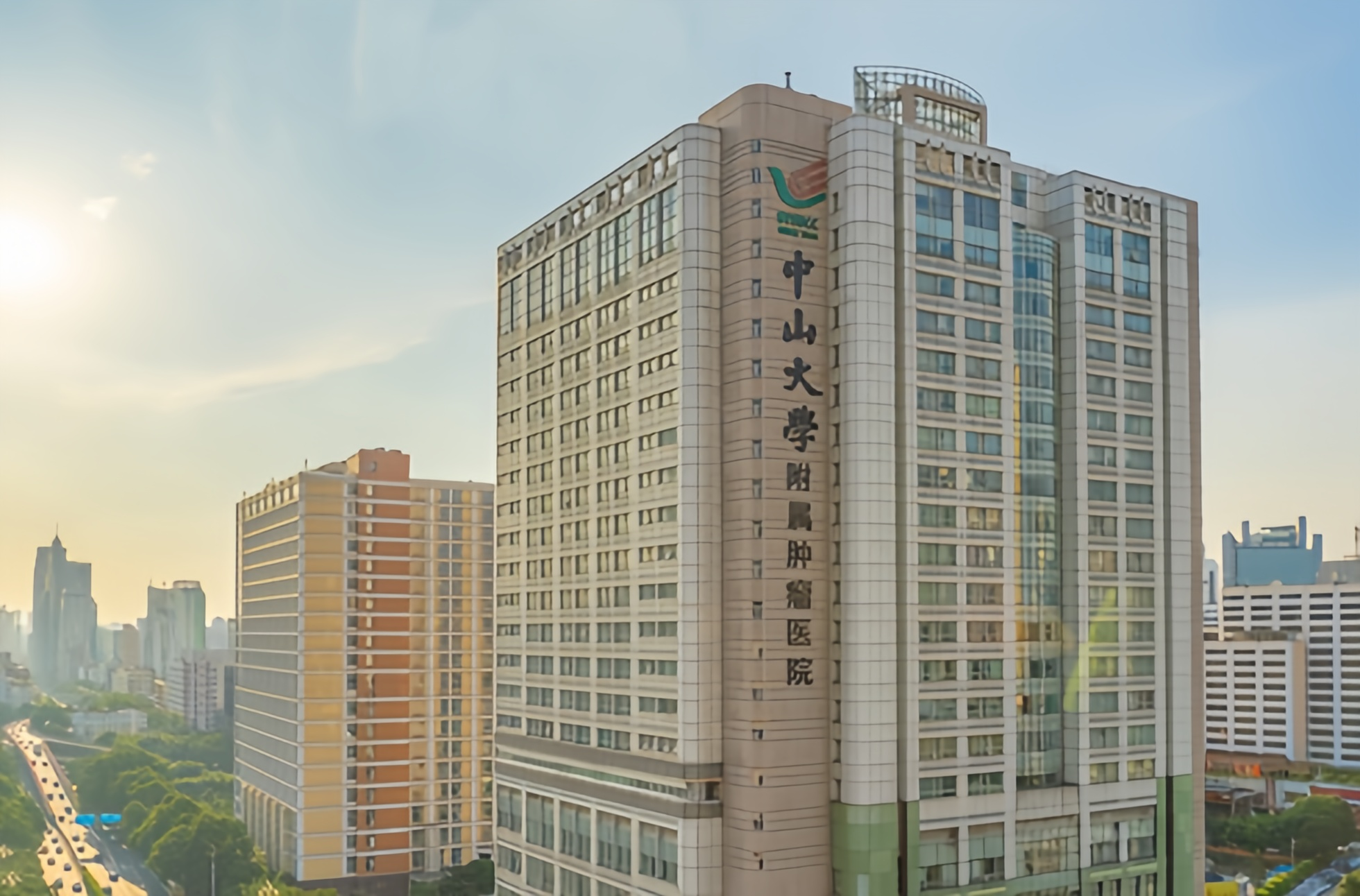
**Nasopharyngeal Carcinoma (NPC)**
This is the center's flagship specialty, with internationally leading diagnostic and treatment capabilities.
**History and Status:** In 1994, the center established China's first single-disease specialty for malignant tumors—the Department of Nasopharyngeal Carcinoma—and is a major drafting unit for domestic NPC diagnosis and treatment guidelines.
**Innovative Treatment Strategy:** The center pioneered a "dynamic blood monitoring-guided treatment" strategy, which achieved a 3-year failure-free survival rate of 89.1% in intermediate- and high-risk patients and reduced the risk of disease progression by 59%.
**Liver Cancer**
The center is in the first tier in South China, featuring multidisciplinary team (MDT) treatment.
**Treatment Model:** The MDT model advocated by the center deeply integrates liver surgery, minimally invasive intervention, targeted therapy, and immunotherapy to provide individualized treatment plans for patients. Professor Chen Minshan, Director of the Department of Liver Surgery, is the former Chairman of the Liver Cancer Committee of the Chinese Anti-Cancer Association.
**Lymphoma**
The center has conducted in-depth research and achieved significant results, particularly in the precision diagnosis and treatment of T-cell lymphoma.
**Specialty Focus:** The center focuses on NK/T-cell lymphoma, which is highly prevalent in China, and T-lymphoblastic lymphoma, which is extremely malignant, and has established a precision diagnosis and treatment system.
**Advanced Technologies:** The center has rich experience in CAR-T cell therapy and autologous hematopoietic stem cell transplantation.
Cross-border Healthcare Insights
China's cancer treatment is advancing toward precision radiotherapy and integrative care. A key priority is making advanced technologies accessible and affordable.
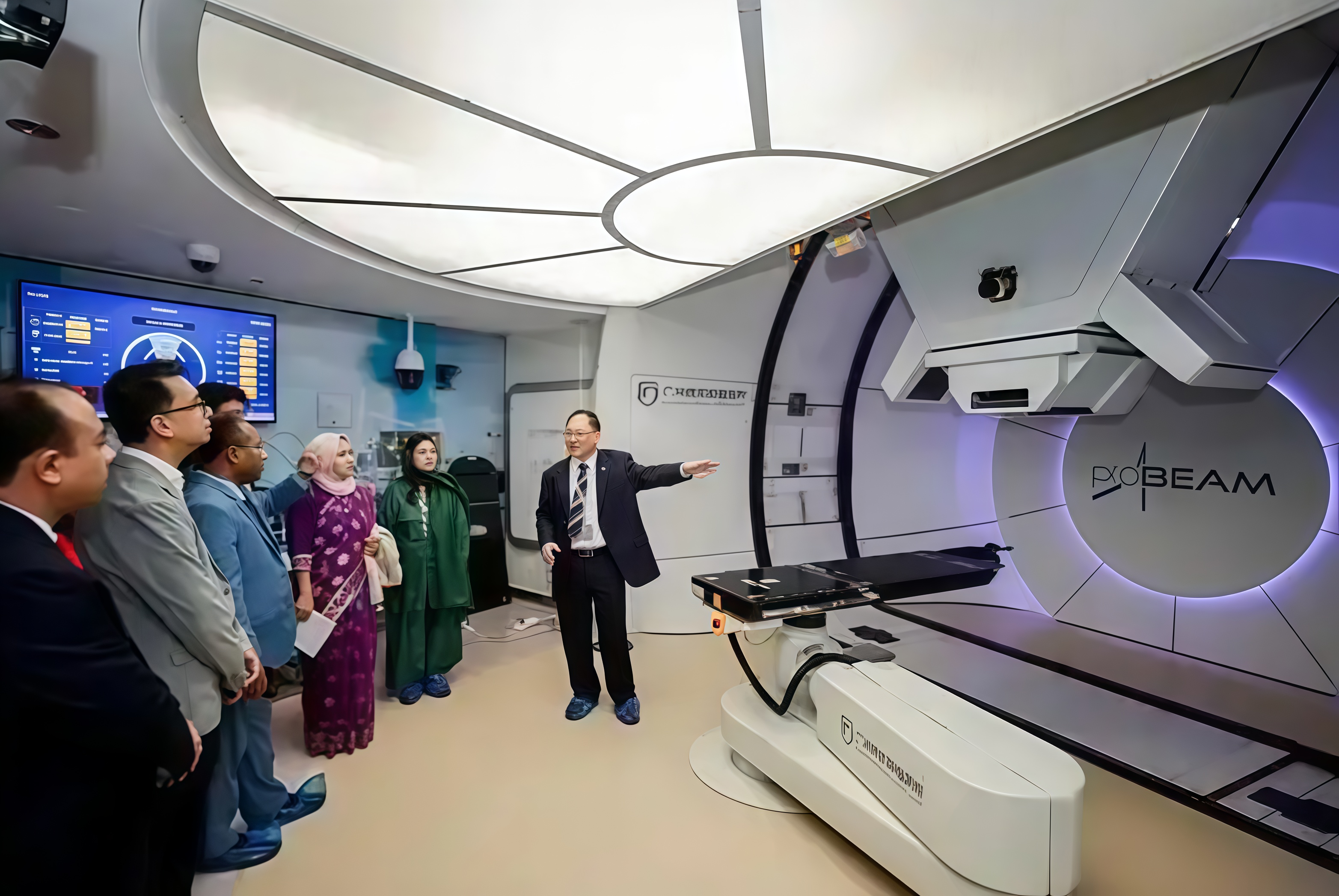
In proton therapy, domestic innovation is transforming cost structures. China has approved over 50 institutions for proton and heavy ion therapy, with more centers under construction. The clinical debut of the first domestically produced superconducting cyclotron proton system has driven treatment costs down significantly—per-course fees are expected to fall to around 170,000 yuan (approximately $23,000), a reduction of over 40%. Insurance coverage is expanding in parallel, with commercial plans and urban inclusive insurance schemes now reimbursing proton therapy, lowering the financial barrier for patients.
In cancer pain management, China's integrative approach combining Western analgesics with Traditional Chinese Medicine offers distinctive advantages. The 2025 Expert Consensus on Whole-Process Cancer Pain Management explicitly recommends multidisciplinary collaboration involving oncology, acupuncture, and rehabilitation. Clinical evidence shows that integrated TCM-Western medicine treatment improves analgesic efficacy by 34% and enhances quality of life 1.3-fold compared to Western medicine alone, while reducing adverse effects such as nausea, vomiting, and constipation.
By making cutting-edge radiotherapy affordable and embedding TCM into standardized pain management, China is building a cancer care model that prioritizes both survival and quality of life.
Frequently Asked Questions
What symptoms were described in this patient experience?
The patient described long-term digestive discomfort, difficulty gaining weight, and diarrhea after meals.
What services were included in the TCM visit?
The visit included outpatient consultation, herbal medicine prescription, hospital decoction service, and home delivery of prepared herbal medicine.
How much did the visit cost?
The article mentioned around RMB 80 for consultation, herbal medicine, and decoction service, while one receipt showed RMB 95.14 for related outpatient charges. Actual costs can vary.
Does this article provide medical advice?
No. This article is an informational patient experience and should not be used as medical advice, diagnosis, or treatment recommendation.
Need help understanding your options?
SinovitaLink helps patients prepare medical information, understand care pathways, and navigate cross-border healthcare options.